Social Media Diet Trends Confusing People About Healthy Eating
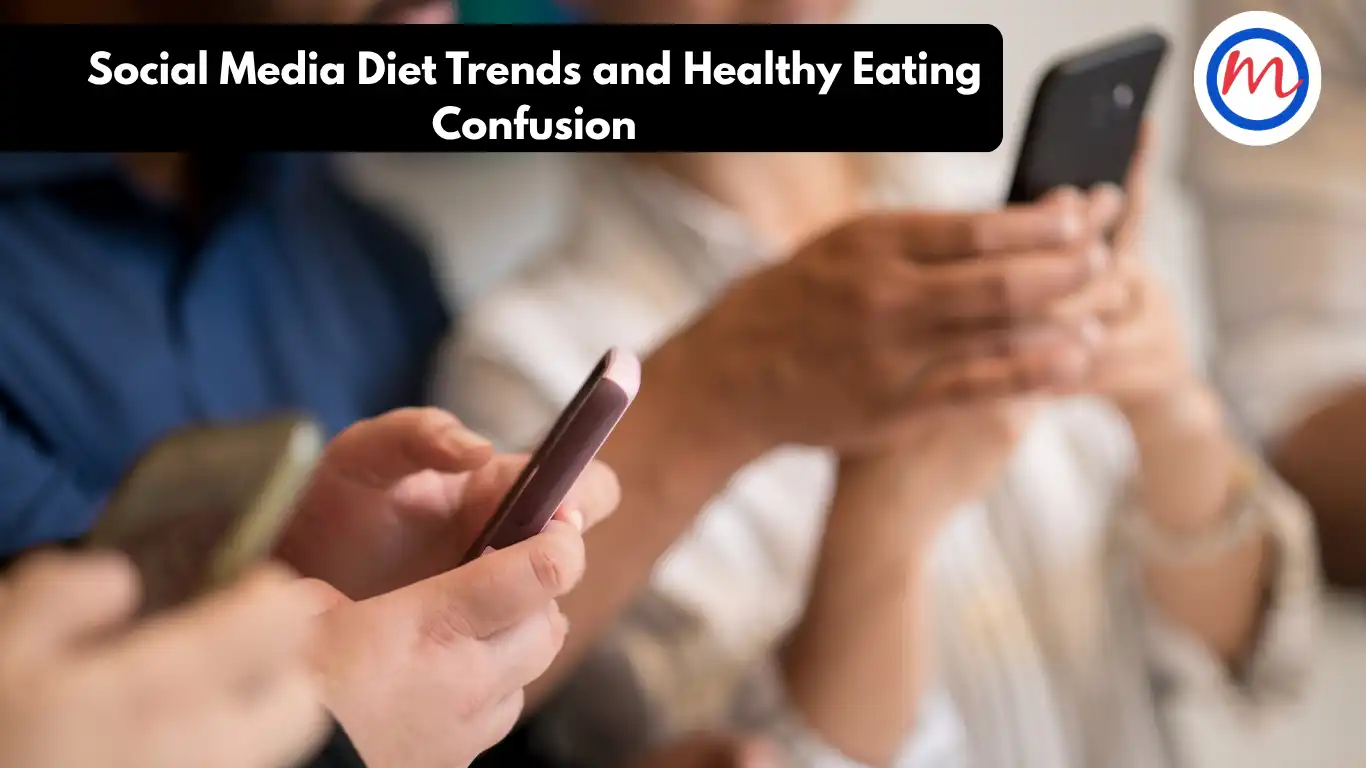
Social media has become one of the most influential sources of nutrition information today. Platforms such as Instagram, YouTube, and short video platforms are filled with diet advice, transformation stories and quick nutrition tips. While this has increased awareness about healthy eating, it has also created confusion due to the spread of conflicting and sometimes misleading information. Social media diet trends are popular nutrition practices promoted online that may influence food choices but are not always scientifically validated.
Many individuals now struggle to differentiate between scientifically sound advice and trending diet fads.
How Social Media Diet Trends Influences Diet Choices
Social media influences food habits through:
- Influencer recommendations
- Before-and-after transformation posts
- Quick diet challenges
- Viral diet trends
- Short-form nutrition advice
While some content is genuinely educational, much of it may lack scientific accuracy.
Popular Social Media Diet Trends
Some commonly promoted trends include:
- Detox diets
- No-carb diets
- Liquid diets
- Extreme fasting
- One-meal-a-day diets
- Viral weight loss drinks
These trends often promise quick results but may not be sustainable or safe for everyone.
Why Social Media Diet Trends Become Popular
Quick Results Appeal
People are naturally attracted to diets promising rapid weight loss.
Visual Influence
Transformation photos create strong motivation, even when results may not reflect sustainable practices.
Simplicity of Messages
Simple messages like “avoid sugar completely” are easier to promote and follow in the short term compared to balanced nutrition advice.
Algorithm Influence
Trending content is promoted more widely, regardless of scientific accuracy.
Risks of Following Unverified Diet Trends
Nutritional Imbalance
Extreme diets may lead to deficiencies of essential nutrients.
Unsustainable Practices
Many viral diets are difficult to maintain long term.
Psychological Pressure
Constant comparison with unrealistic body images may create stress.
Misinformation
Not all influencers have nutrition qualifications.
How to Evaluate Diet Information on Social Media
Consumers can ask simple questions:
- Is the advice given by a qualified professional?
- Does it promote balanced eating?
- Does it promise unrealistic results?
- Is it supported by scientific evidence?
Critical thinking is essential.
Signs of Reliable Nutrition Advice
Reliable advice usually:
- Encourages balanced meals
- Avoids extreme restrictions
- Promotes gradual lifestyle change
- Recognises individual differences
- Is given by qualified professionals
Role of Healthcare Professionals
Dietitians and doctors play an important role in correcting misinformation and providing evidence-based guidance.
Professional guidance becomes especially important for:
- Individuals with diabetes
- Individuals with medical conditions
- Pregnant women
- Older adults
Practical Tips to Avoid Diet Confusion
Simple practices include:
- Following credible health organisations
- Avoiding extreme diet challenges
- Seeking professional advice when needed
- Avoiding comparison-based dieting
- Focusing on long-term habits
Building a Balanced Perspective
Healthy eating does not require extreme rules. Most individuals benefit from:
- Balanced meals
- Regular eating patterns
- Adequate hydration
- Physical activity
- Good sleep
These fundamentals remain more important than viral diet trends.
Conclusion
While social media has increased nutrition awareness, it has also created confusion through conflicting diet trends. The key to healthy eating lies in focusing on balanced, evidence-based nutrition rather than quick fixes.
By developing awareness and seeking reliable information, individuals can avoid diet myths and build sustainable eating habits that support long-term health.
FAQ 1
What are social media diet trends?
Social media diet trends are popular eating patterns promoted online that may or may not be scientifically proven.
FAQ 2
Are social media diets safe to follow?
Not all social media diets are safe. It is important to check scientific evidence and consult qualified professionals.
FAQ 3
How can I identify reliable nutrition advice online?
Reliable advice usually comes from qualified professionals and promotes balanced, sustainable eating habits.
FAQ 4
Why are viral diets popular?
Viral diets often promise quick results and are widely shared through social media algorithms.
To know more: Click: https://drmohans.com/
Click to book an appointment: https://drmohansdiabetes.co.in/enroll/?campname=website