
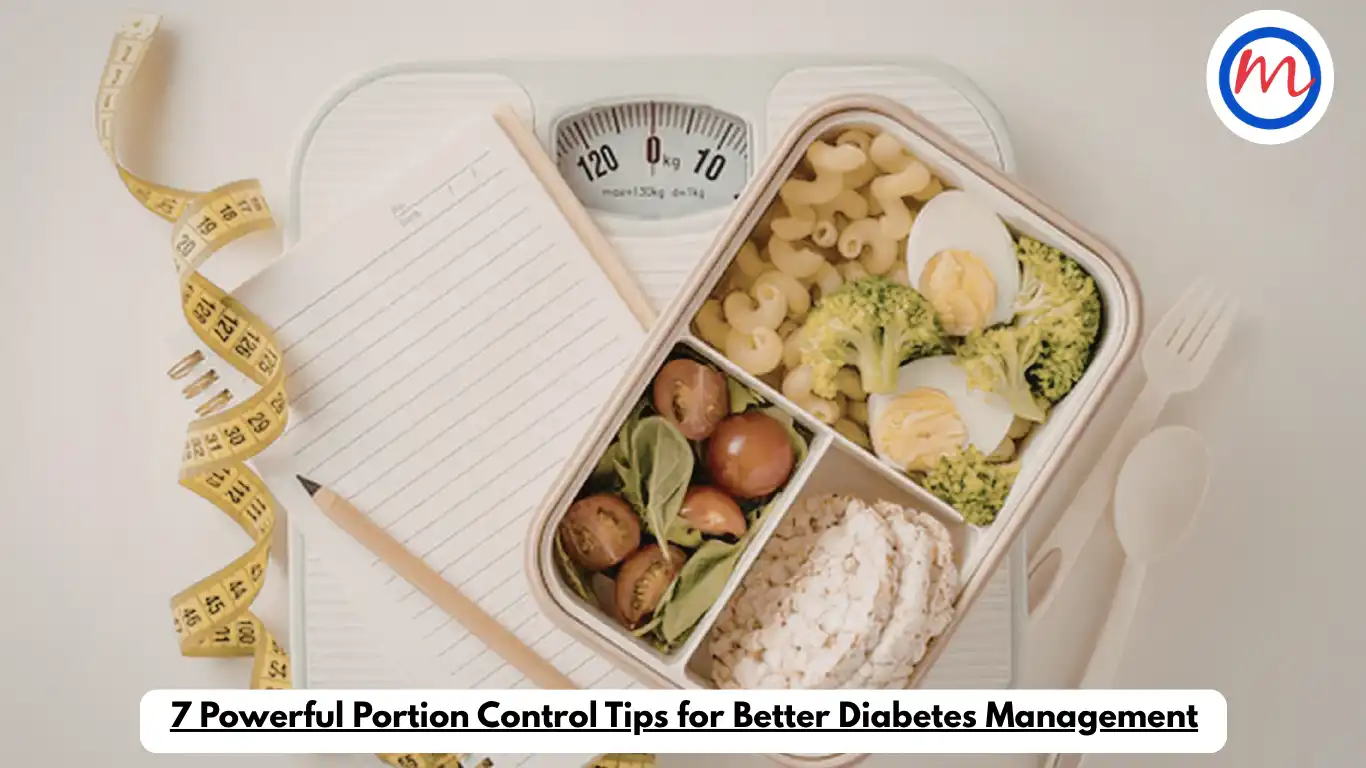
7 Powerful Portion Control Tips for Better Diabetes Management
Introduction
Managing diabetes is not only about what you eat—it is equally about how much you eat. Practising portion control for diabetes is essential for maintaining stable blood sugar levels. Many individuals focus only on avoiding sugar, but portion size plays a major role in controlling blood glucose. Even healthy foods, when eaten in excess, can lead to unwanted spikes.
Portion control is a simple yet powerful strategy that helps maintain steady glucose levels, supports weight management, and reduces the risk of complications.
Why Portion Control for Diabetes Matters
When you consume large portions, especially carbohydrate-rich foods like rice, chapati, or potatoes, your body receives a higher glucose load than it can handle efficiently. This results in:
- Sudden rise in blood sugar
- Increased insulin demand
- Greater difficulty in long-term diabetes control
Over time, frequent spikes can affect metabolic health. In contrast, portion control for diabetes helps the body process glucose more effectively, leading to better glycaemic balance and sustained energy.
Understanding the Diabetes Plate Method
One of the easiest ways to practise portion control for diabetes is the diabetes plate method:
- Half the plate: Non-starchy vegetables (spinach, cabbage, beans, cucumber, carrots)
- One-quarter: Protein (dal, paneer, egg, fish, chicken)
- One-quarter: Whole grains (brown rice, millets, whole wheat chapati)
This method ensures a balanced intake of carbohydrates, protein, and fibre while preventing overeating.
Common Portion Control Mistakes
Many people unintentionally overeat due to daily habits:
- Eating directly from large containers
- Skipping meals and overeating later
- Consuming oversized restaurant portions
- Mindless eating while watching screens
These habits can disrupt blood sugar control and lead to weight gain.
7 Practical Portion Control Tips for Diabetes
1. Use Smaller Plates
Smaller plates help reduce portion sizes without feeling deprived.
2. Measure Your Portions
Avoid guesswork, especially for rice and cereals.
3. Avoid Second Helpings
Wait before taking more food to assess fullness.
4. Eat Slowly
This allows your body to recognise fullness signals.
5. Add More Vegetables
Vegetables increase volume without raising calories.
6. Plan Your Meals
Meal planning prevents overeating and unhealthy choices.
7. Control Snacking
Choose healthy snacks and avoid continuous eating.
Role of Fibre in Portion Control
Fibre plays a major role in portion control for diabetes. Foods rich in fibre—such as vegetables, fruits with skin, whole grains, and legumes—take longer to digest and keep you full for longer.
This reduces overeating and helps regulate blood sugar levels by slowing glucose absorption.
Managing Portions When Eating Out
Eating out can be challenging, but mindful choices help:
- Share dishes
- Avoid buffet-style meals
- Choose grilled or steamed options
- Request half portions or pack leftovers
Being aware of portion sizes is key to maintaining control.
Consistency is the Key to Success
Portion control for diabetes is not about strict dieting. It is about building sustainable habits. Occasional indulgences are acceptable when balanced with portion awareness.
Consistency brings long-term results, including better blood sugar levels, improved energy, and overall well-being.
Conclusion
Portion control is one of the simplest and most effective tools in diabetes management. By practising portion control for diabetes, you can prevent blood sugar spikes, maintain a healthy weight, and reduce complications.
Rather than focusing on restriction, aim for balance. Small, consistent changes in portion size can lead to significant improvements in health.
FAQs (Add FAQ Schema in Rank Math)
Q1. What is portion control for diabetes?
It means managing the quantity of food to prevent blood sugar spikes and maintain balance.
Q2. Why is portion control important for diabetes?
It helps regulate blood sugar levels and prevents overeating.
Q3. How can I control portion sizes easily?
Use smaller plates, measure food, and follow the plate method.
Q4. Can portion control help with weight loss?
Yes, it supports healthy weight management and improves insulin sensitivity.
Click to know more: https://drmohans.com/
Click to book an appointment: https://drmohansdiabetes.co.in/enroll/?campname=website