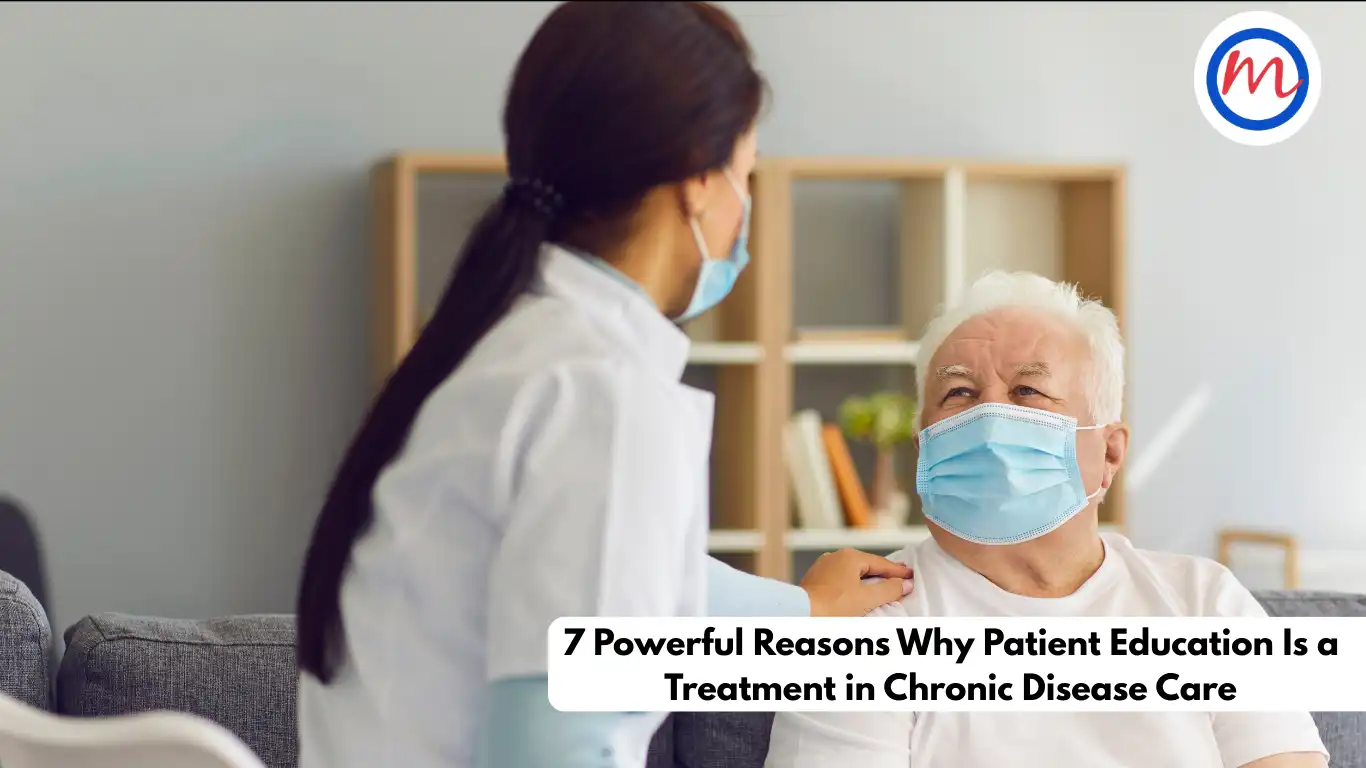
7 Powerful Reasons Why Patient Education Is a Treatment in Chronic Disease Care
Patient education is a treatment — not merely supportive advice. In chronic diseases such as diabetes, hypertension, thyroid disorders and heart disease, outcomes depend heavily on what happens outside the clinic. While medicines and procedures are important, understanding the condition often determines long-term success.
When we recognise that patient education is a treatment, healthcare shifts from prescription-based care to partnership-based care. Education directly improves adherence, reduces complications and strengthens metabolic stability.
1. Patient Education Is a Treatment Because It Changes Behaviour
Chronic diseases require daily self-management. Individuals must:
-
Take medications consistently
-
Monitor health parameters
-
Follow balanced meal patterns
-
Stay physically active
-
Attend regular follow-ups
Without understanding why these actions matter, compliance becomes inconsistent.
When patients understand how high blood sugar affects nerves, kidneys and the heart, they are more likely to act consistently. This is why patient education is a treatment — it transforms information into sustained behaviour change.
2. Education Improves Medication Adherence
Non-adherence is one of the biggest reasons chronic diseases worsen. Many people stop medicines because they:
-
Feel better
-
See temporary improvement
-
Fear side effects
-
Misunderstand long-term risk
When patients understand that medicines protect organs — not just numbers — adherence improves significantly.
Better adherence leads to better clinical outcomes. This proves again that patient education is a treatment, not merely an explanation.
3. Patient Education Is a Treatment Because It Reduces Fear
Uncertainty increases anxiety. Chronic disease often creates fear around:
-
Blood sugar readings
-
Test results
-
Long-term complications
-
Medication dependence
When patients are educated about:
-
Normal variability in readings
-
Early warning signs
-
Preventable complications
-
Realistic expectations
fear reduces and confidence increases.
Lower stress also improves physiological stability, especially in diabetes. Emotional regulation directly supports glucose control.
4. Education Prevents Complications Before They Begin
Many complications develop silently. Kidney damage, nerve injury and eye problems often show no early symptoms.
When patients understand:
-
The importance of annual screening
-
Daily foot care
-
Early signs of complications
-
When to seek medical attention
problems are detected early.
Prevention reduces severity and long-term disability. In this way, patient education is a treatment that protects organs before damage becomes irreversible.
5. Education Builds Self-Efficacy
Self-efficacy is the belief that one can manage their health successfully. This psychological factor strongly influences outcomes.
Educated patients:
-
Monitor more consistently
-
Make informed food decisions
-
Adjust routines confidently
-
Participate in decision-making
Instead of reacting to disease, they proactively manage it.
This empowerment improves both physiological and emotional health.
6. Patient Education Is a Treatment Because It Improves Lifestyle Sustainability
Generic advice rarely works long-term. Telling someone to “exercise more” or “avoid sugar” is insufficient.
Education explains:
-
How muscle activity improves insulin sensitivity
-
Why fibre stabilises blood sugar
-
How sleep affects hormonal balance
-
Why stress raises glucose levels
When behaviour makes scientific sense, compliance becomes sustainable.
Sustainability is the true foundation of chronic disease care.
7. Education Strengthens the Doctor–Patient Partnership
Chronic disease management requires collaboration.
An educated patient:
-
Asks relevant questions
-
Shares symptoms honestly
-
Understands medication adjustments
-
Engages in shared decision-making
Trust improves. Follow-up becomes consistent. Long-term outcomes strengthen.
When partnership replaces passive instruction, care becomes proactive rather than reactive.
Why Patient Education Is a Treatment — Not an Option
Treating patient education as therapy rather than information changes healthcare outcomes.
When education is integrated into care:
-
Blood sugar stabilises
-
Complications reduce
-
Emergency visits decrease
-
Emotional resilience improves
-
Healthcare costs decline
Education enhances the effectiveness of every prescription and intervention.
Medicines manage physiology.
Education manages behaviour.Behaviour determines long-term outcomes.
The Long-Term Impact of Patient Education
When patient education is a treatment, the benefits extend beyond disease control:
-
Improved quality of life
-
Reduced anxiety
-
Greater independence
-
Better treatment satisfaction
-
Long-term metabolic resilience
Education influences both the mind and the body. It is not a replacement for medication — it is what makes medication effective.
Final Takeaway
Patient education is a treatment because it changes behaviour, improves adherence, reduces fear, prevents complications and strengthens long-term health outcomes.
Tablets manage numbers.
Education manages understanding.
Understanding drives consistency.
Consistency improves health.
In chronic disease care, the most powerful treatment is not only what is prescribed — but what is understood.
To know more: Click-https://drmohans.com/
Click to book an appointment: https://drmohansdiabetes.co.in/enroll/?campname=website