
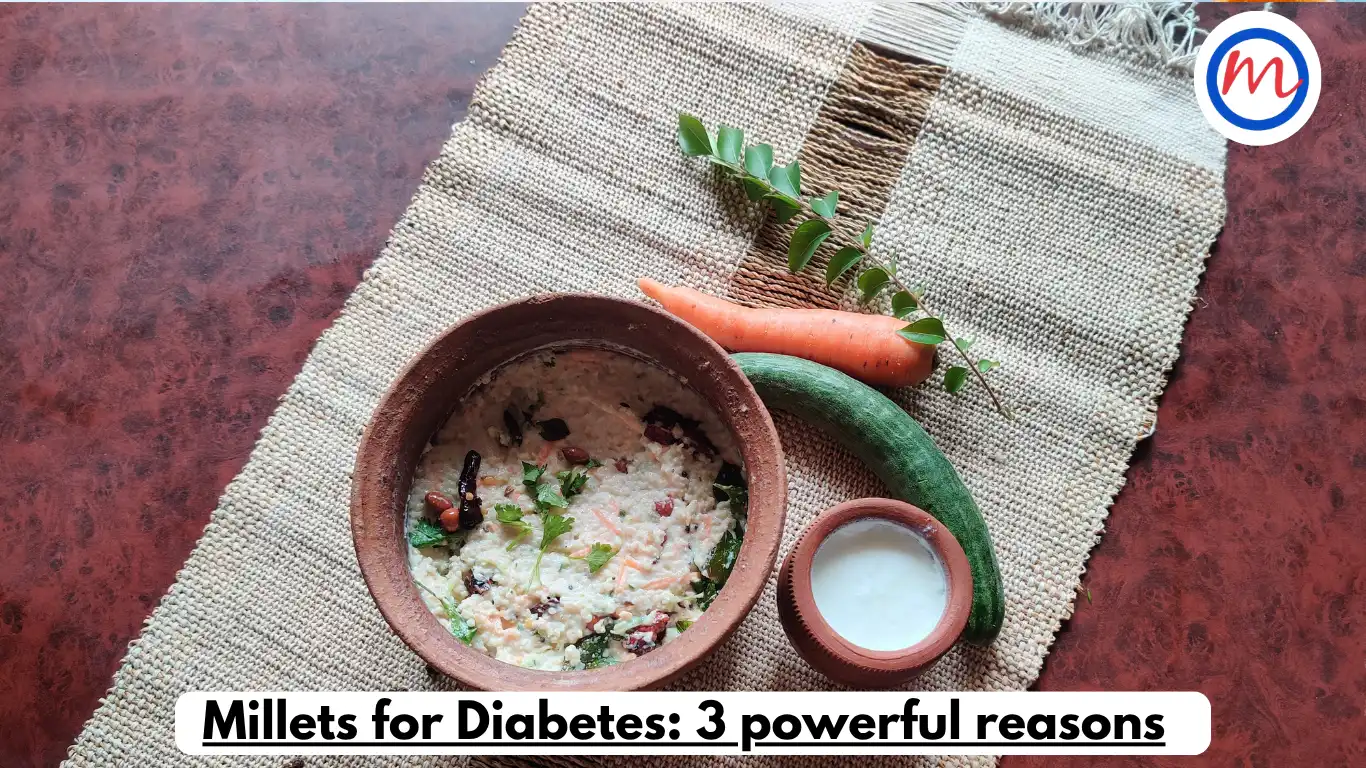
Millets for Diabetes: Benefits, Types & How to Include Them
In recent years, millets have gained attention as a healthy alternative to refined grains like white rice and maida. For individuals with diabetes, millets can be a valuable addition to the diet due to their high fibre content, low glycaemic index and rich nutritional profile.
Including millets in daily meals can support better blood sugar control and overall health when consumed in the right portions.
What Are Millets?
Millets are small whole grains that have been a part of traditional Indian diets for centuries. They are naturally gluten-free and packed with essential nutrients.
Common types of millets include:
- Ragi (finger millet)
- Bajra (pearl millet)
- Jowar (sorghum)
- Foxtail millet
- Little millet
These grains are now making a comeback due to their health benefits, especially in managing lifestyle conditions like diabetes.
Why Millets for diabetes?
- Low Glycaemic Index
Millets have a lower glycaemic index compared to refined grains. This means they release glucose slowly into the bloodstream, preventing sudden spikes in blood sugar levels.
- High Fibre Content
Millets are rich in dietary fibre, which helps:
- Slow digestion
- Improve satiety
- Support better blood sugar control
Fibre also contributes to improved gut health and reduces the risk of overeating.
- Rich in Essential Nutrients
Millets are packed with important nutrients such as:
- Magnesium, which supports insulin function
- Iron, which helps prevent anaemia
- Antioxidants, which reduce inflammation
These nutrients make millets a wholesome choice for overall metabolic health.
Best Millets for Diabetes
Different millets offer different benefits. Some of the best options include:
- Ragi: High in calcium and fibre, supports bone health
- Bajra: Rich in magnesium, beneficial for heart health
- Jowar: High fibre content, helps improve digestion
- Foxtail millet: Known for its low glycaemic index
Including a variety of millets in your diet ensures a broader range of nutrients.
How to Include Millets in Your Daily Diet
Millets are versatile and can be easily incorporated into regular meals:
- Replace white rice with cooked millets
- Use millet flour to make rotis
- Prepare dosa or idli using millet batter
- Add millets to porridge for breakfast
Gradually introducing millets instead of making sudden changes can help in better acceptance and digestion.
Millets vs White Rice
When compared to white rice, millets for diabetes offer several advantages:
- Lower glycaemic index
- Higher fibre content
- Better satiety and reduced hunger
- More vitamins and minerals
However, it is important to remember that millets are still a source of carbohydrates and should be consumed only in controlled portions.
Things to Keep in Mind
While millets for diabetes are healthy, certain precautions are important:
- Practise portion control to avoid excess carbohydrate intake
- Avoid over-processing millets, as it reduces their nutritional value
- Combine millets with protein sources like dal, curd or eggs for balanced meals
- Rotate different types of millets instead of relying on just one
Balance and variety are key to getting the maximum benefit.
Are Millets Suitable for Everyone?
Millets for diabetes are generally safe for most people. However, individuals with specific medical conditions should consult a healthcare professional before making major dietary changes.
Conclusion
Millets are nutritious, fibre-rich and diabetes-friendly grains that can play an important role in managing blood sugar levels. Their low glycaemic index and high nutrient content make them a better alternative to refined grains.
By including millets in moderation and incorporating them in a balanced diet, individuals with diabetes can improve their glucose control and overall health.
Click to know more: https://drmohans.com/
Click to book an appointment: https://drmohansdiabetes.co.in/enroll/?campname=website