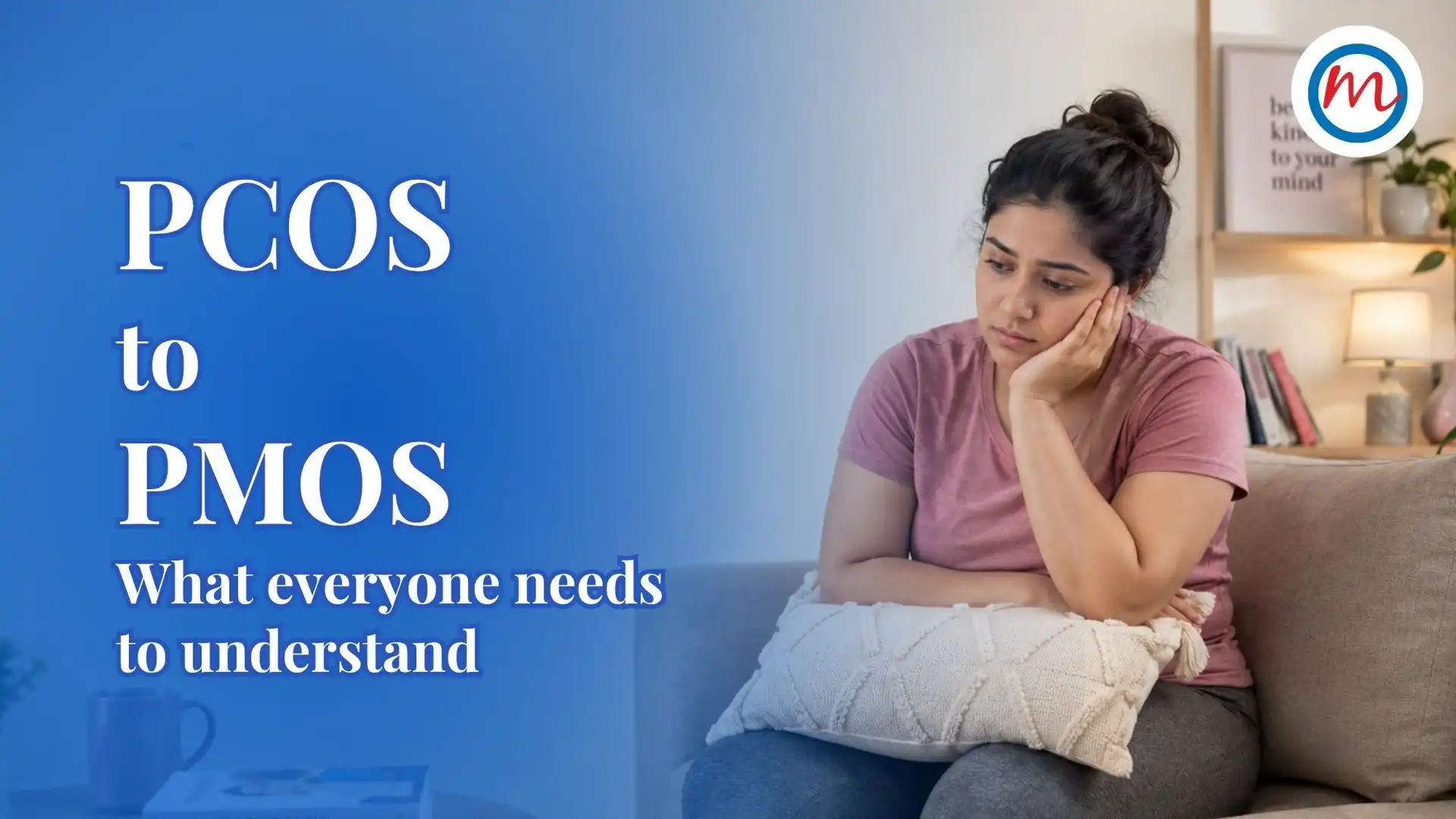
From PCOS to PMOS – The Big Change Every Woman Should Know
Many women today are aware of Polycystic Ovary Syndrome, a common hormonal condition affecting teenage girls and women. But now, doctors and researchers across the world are discussing whether the name itself should change.
A newer term called PMOS is slowly gaining attention. Why is this happening? Because the name PCOS does not fully explain what the condition really is.
PCOS is Not Just About Ovarian Cysts
When women hear the word “PCOS,” many think it simply means cysts in the ovaries. But the truth is very different. Some women diagnosed with PCOS may not have cysts at all. On the other hand, many women with ovarian cysts may not actually have PCOS.
This is why doctors feel the name can be misleading. The condition affects much more than the ovaries. It impacts hormones, metabolism, body weight, skin, fertility and even long-term health.
That is why experts are suggesting the term PMOS, which stands for Poly Metabolic Ovary Syndrome. The word “metabolic” is important because it highlights the real issue behind the condition.
What Really Happens in PMOS?
In many women, the body becomes resistant to insulin. This is called insulin resistance. Insulin is a hormone that helps control blood sugar levels. When the body does not respond properly to insulin, it can lead to hormone imbalance and several health problems.
Over time, this may increase the risk of Type 2 Diabetes, fatty liver, cholesterol problems, obesity and heart disease. This is why the condition is now increasingly being viewed as PMOS rather than just PCOS.
Common Symptoms Women Should Not Ignore
The symptoms can vary from person to person. Some women may have only a few symptoms, while others may experience many.
Common signs include:
- Irregular Periods
Periods may become delayed, irregular or completely absent for months.
- Weight Gain
Many women notice sudden weight gain, especially around the abdomen.
- Excess Facial Hair
Hair growth on the face, chin, chest or stomach may increase due to hormonal imbalance.
- Acne and Oily Skin
Persistent acne after teenage years can sometimes be linked to PMOS.
- Hair Fall
Thinning hair or excessive hair fall is also common.
- Difficulty Getting Pregnant
Irregular ovulation can affect fertility.
- Dark Skin Patches
Dark pigmentation around the neck, underarms or groin may indicate insulin resistance.
- Tiredness and Mood Changes
Many women experience fatigue, stress, anxiety or low confidence.
Why the Name PCOS Can Be Misleading
For example, a young woman may have irregular periods, acne, weight gain and facial hair growth. Her scan may not even show ovarian cysts. Yet, doctors may identify the condition because the real issue lies in hormone imbalance and insulin resistance, not just ovarian cysts.
This is one of the biggest reasons why doctors feel the term PMOS explains the condition better. Another woman may visit the doctor mainly for weight gain and tiredness. Blood tests may show insulin resistance and early prediabetes along with irregular periods.
In such cases, the ovaries are only one part of the problem. The condition is actually affecting the body’s metabolism.
Why Early Diagnosis Matters
Many girls ignore symptoms like irregular periods during teenage years, assuming it is normal. But untreated hormonal imbalance and insulin resistance can slowly affect overall health.
Early diagnosis can help prevent complications such as:
- Diabetes
- High blood pressure
- High cholesterol
- Sleep problems
- Fertility issues
- Fatty liver disease
The earlier the condition is identified, the better the outcome.
Can PMOS Be Managed?
Yes. The good news is that PMOS can be managed very effectively with early intervention and lifestyle correction.
- Healthy Eating
Eating balanced meals with less sugar and processed food helps improve insulin resistance.
- Regular Exercise
Physical activity helps control weight, improve hormones and regulate periods.
- Weight Reduction
Even losing 5 to 10 percent of body weight can improve symptoms significantly.
- Better Sleep
Poor sleep can worsen hormonal imbalance.
- Stress Management
Stress can affect hormones and menstrual cycles, making symptoms worse.
Some women may also require medications to improve insulin sensitivity, regulate periods or support fertility treatment.
Doctors may additionally recommend regular screening for blood sugar, cholesterol and blood pressure.
A New Name with a Bigger Meaning
The move from PCOS to PMOS reflects a major change in how doctors understand the condition.
Doctors want women to know that this is not just about ovaries or fertility. It is closely linked to metabolism, lifestyle and long-term health.
More awareness can help women seek treatment earlier, make healthier lifestyle choices and prevent future complications.
Most importantly, women should understand that PMOS is manageable. With the right guidance, proper lifestyle changes and timely medical care, women can lead healthy and confident lives.